Search and view our courses below or contact our team today on 0330 0948 424 to find out more
As technology, course content, legislation, the location of employees and need for practical training continuously change, we too have evolved our training methods to ensure that candidates get the very best learning experience.
Simply Learning offers three learning methods, depending upon course content, complexity and risk profile of your business. We adapt each course to ensure that the best possible outcomes are achieved for your candidates.
Here, we will compare the pros and cons of different styles of learning, so that you can choose the right type of training for your team.
Different types of training
Simply Learning offers self-paced learning via a Learning Management System (LMS), tutor-led instruction delivered both in traditional classroom settings and remotely, and practical training with hands-on experience in real-world environments both at client sites and at our dedicated training facility.
Each of these methods have advantages and disadvantages and cater to different learning styles and objectives.
Self-paced learning (LMS-based learning)
Thanks to technology, we can offer self-paced learning through a Learning Management System (LMS). LMS systems allow each user to have their own unique log-in, so that they can progress through their training at their own pace. The LMS system ensures that modules are fully digested and cannot be skipped, giving peace of mind to you and flexibility to your learners.
Flexibility
Learners can access materials at their convenience, allowing them to balance work commitments with learning.
Accessibility
Training can be accessed from anywhere with secure wifi, meaning teams can train when it suits them, in a location that suits their individual needs. This type of training is ideal for companies with geographically diverse workforces, enabling remote workers to access training materials regardless of their location and shift workers to complete training at their own pace.
Cost-Effectiveness
LMS-based learning reduces the expenses associated with traditional classroom training, making it suitable for companies operating on tighter budgets.
Reduces learning/ group learning anxiety
This type of training is ideal for people who prefer to learn in quiet, individual, or slower/faster-paced environments. This type of individualised learning can lead to deeper understanding and long-term knowledge retention by allowing learners to revisit complex concepts at their own pace, without disruption.
Lack of Structure
Some learners may struggle with self-discipline and motivation due to the absence of a structured learning environment.
Limited Interaction
Decreased interpersonal interaction compared to traditional classroom settings may hinder the development of collaborative skills.
Technical Challenges
This type of training requires a certain level of technical proficiency and access to reliable internet connections, which may pose barriers for some learners.
Lack of Hands-On Training
LMS training may not adequately address the practical skills required in real-life settings, potentially limiting the effectiveness of training.
Lack of Engagement
This one sounds dramatic but for some, the solitary nature of learning may lead to less engagement, impacting morale and cohesion as a group.
This type of training is ideal for delivering theoretical knowledge and foundational concepts, especially for workers who require flexibility due to irregular schedules or remote locations.
This type of training is perfect for:

Tutor-led learning, can be highly-engaging and effective and has two key methodologies – remote and in classroom.
Both have the benefit of getting people to take a break from their day- to-day roles and having someone facilitate learning and discussion can be one of the most effective ways to train your teams.
This type of training can encourage teams to bond and share best practice both in and out of the classroom.
Resource and Travel Saving
The cost of travelling and time spent to get to a course can be off- putting for most. Having access to tutor-led training without the additional time and cost implications for teams is a huge benefit.
Guidance and Support
Learners receive immediate feedback and guidance from instructors, enhancing learning outcomes.
Interactivity
This type of training creates opportunities for real-time discussions, group activities, allows people to ask questions and encourages group discussions about how training could be applied practically within a workplace or real-life scenario.
Structured Environment
Training this way provides a structured learning environment, which is particularly beneficial for some types of learners, with more complex subject matters and for people that require additional support.
Adaptability
It can be conducted both in traditional classroom settings and remotely, providing flexibility in delivery.
Less Flexibility
This type of training can mean less flexibility in terms of scheduling and require time out of day-to-day operations.
Dependence on Instructor
Reliance on instructors for guidance and feedback may limit independent learning and problem-solving skills.
Potential Disruption
Remote tutor-led training may be susceptible to technical issues and distractions, impacting the learning experience. Disruptions from home or office life can occur during this as there are no physical boundaries.
Learning Styles
People who are more introverted may not benefit as much from this type of training and people may refrain from asking questions in a group setting and it’s easier to hide away online.
Training sessions of this kind are perfect to ensure more complex courses content are delivered and encourages two way interaction that is proven to support learning.
The cost and time savings associated with remote learning is a great benefit particularly for organisations that have UK-wide teams. .
This type of training is perfect for:
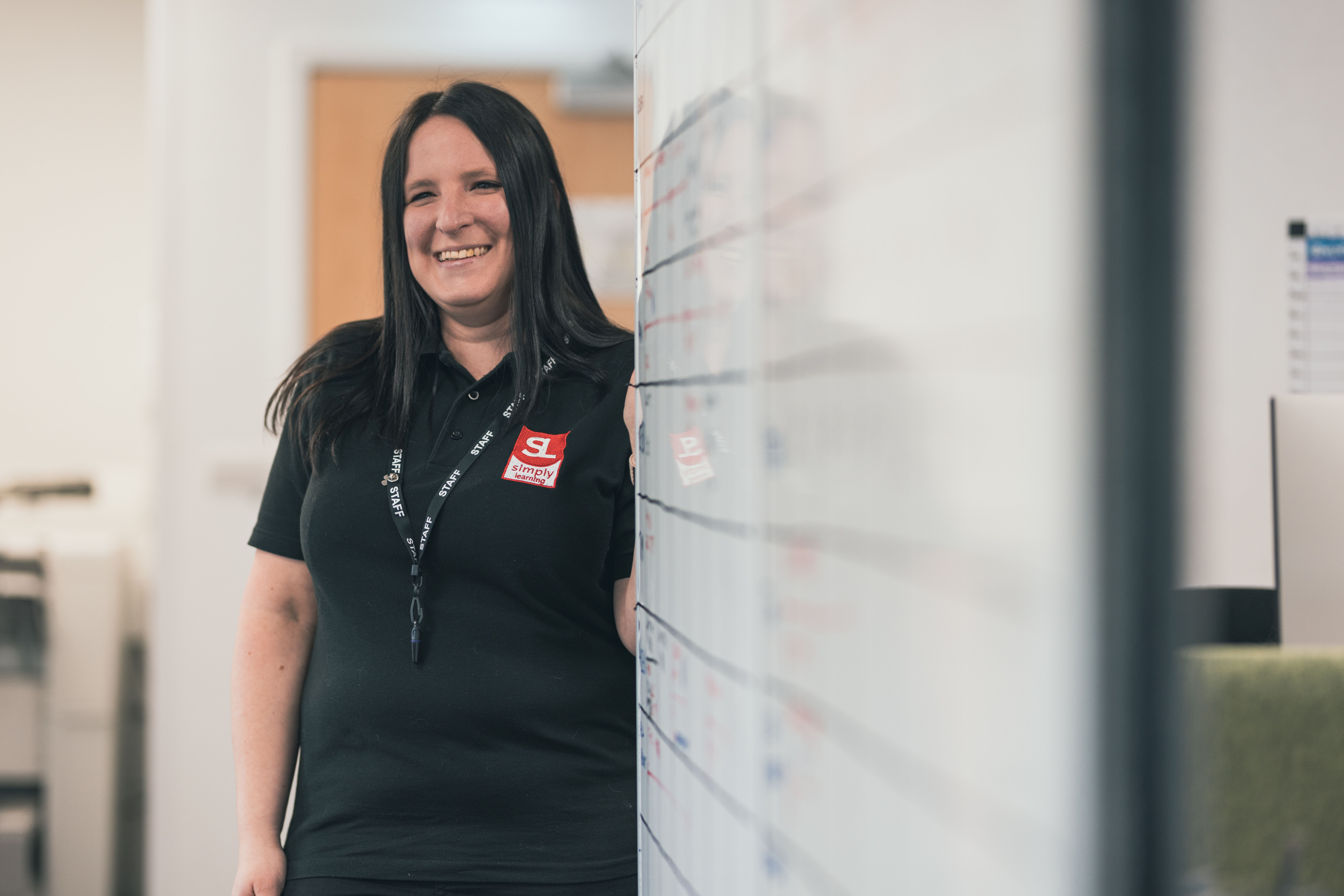
Classroom tutor-led learning provides a great environment for engagement as it provides a physical boundary from disruption and allows for interaction, discussion and practical applications of theory.
Guidance and Support
As with remote, learners receive immediate feedback and guidance from instructors, enhancing learning outcomes.
Interactivity
Interaction levels tend to be higher, and barriers are broken down quicker than via remote training, enabling group discussions about how training could be applied practically within a workplace or real-life scenario.
Structured and Protected Environment
The classroom provides a structured environment, a space to eliminate distractions.
Hands-On Demonstrations
Instructors can demonstrate practical skills and techniques, complementing theoretical knowledge.
Less Flexibility
As this type of course is usually scheduled, the timetable is fixed.
Geographical Constraints
In-person classroom training may not be accessible to remote workers or those located in areas with limited training facilities
Cost and Logistics
There are potentially higher running costs associated with this type of training, as well as the logistical challenges of co-ordinating in-person sessions.
Learning Styles
People who are more introverted may not benefit as much from this type of training and people may refrain from asking questions in a group setting. They may also not retain as much information as working at their own pace- or the pace of the training session may be too quick or too slow for the whole learning group.
Training sessions of this kind are perfect for bonding a team and can be highly-effective at helping people to gain confidence and skills, as well as engaging them and helping them to retain information through personalised anecdotes or practical applications in their workplace.
This type of training is perfect for:
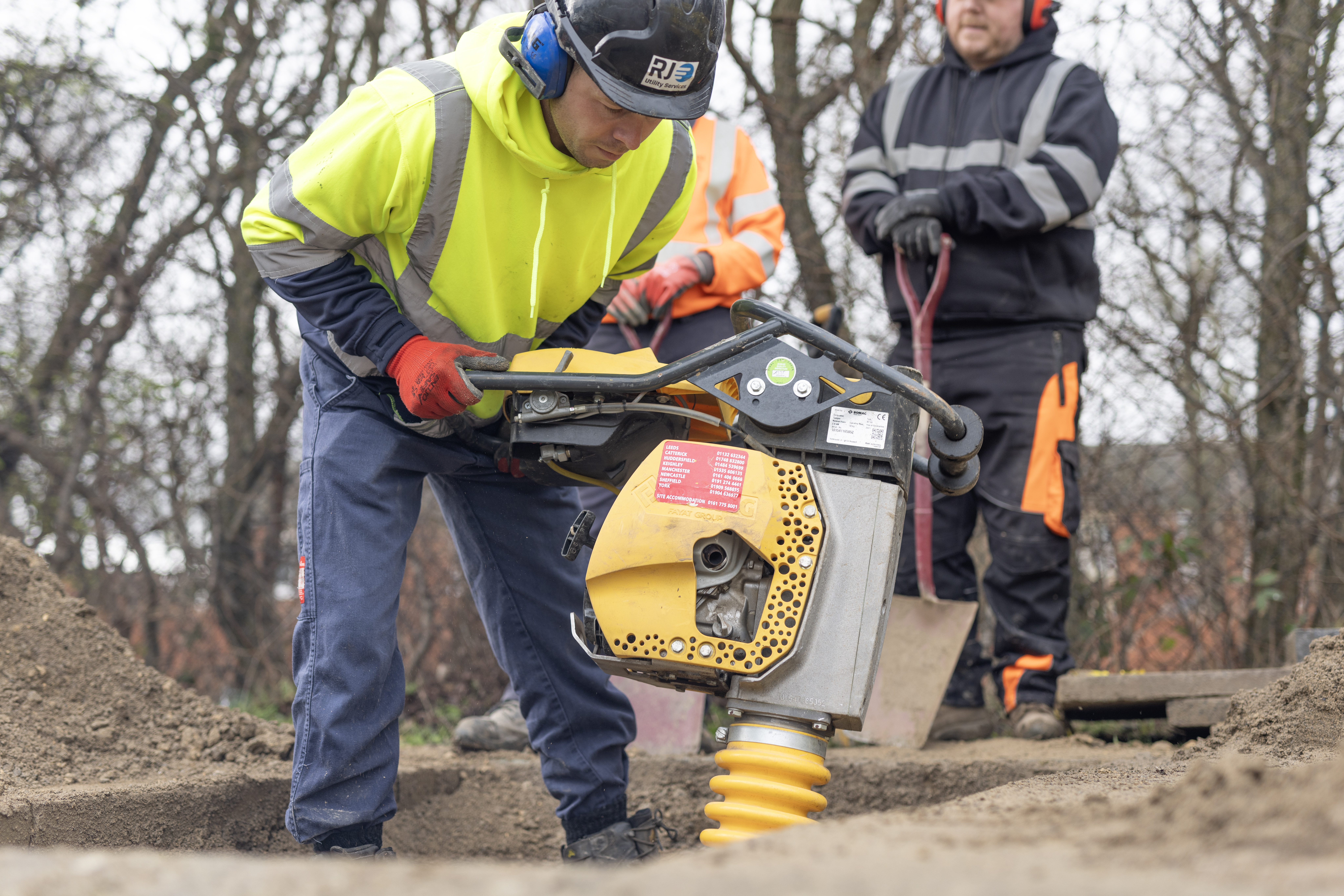
Here at Simply Learning we have several practical training environments which include confined space training, forklift training, street works and utilities.
However, if you have the facilities and would like your team to be trained at your premises, to ensure that they can effectively carry out their roles within a real-life setting, then please speak to one of our friendly and experienced staff who can organise this for you.
Practical training for high risk industries is probably the most effective way to train your teams. Learning in high-risk but controlled environments will help your teams to learn by doing- and critically, help them to stay calmer if real-life situations do occur.
Hands-On Experience
This type of training provides direct experience with tools, equipment, and techniques, enhancing practical skills.
Immediate Application
Learners can immediately apply what they’ve learned in real-world scenarios, reinforcing learning outcomes.
Safety Training
This format of training enables hands-on practice of safety protocols and procedures, crucial in high-risk industries.
Teamwork and Communication
This type of training fosters teamwork and communication skills through collaborative projects and on-site interactions- which can be particularly critical in high-risk situations.
Supervised Learning
Instructors can directly observe and provide feedback on learners’ performance, facilitating skill development, whilst in a controlled environment.
Resource Intensive
This training requires dedicated training facilities, equipment, and qualified instructors. Luckily, Simply Learning has all of these.
Time Constraints
Practical training may put a strain on operational resources within your workplace.
Of course there are inherent risks associated with hands-on training, necessitating strict adherence to safety protocols and supervision. That’s why we limit learner numbers to ensure safety and quality of experience.
Overall, practical training can be the most effective way to train your people, as ‘doing’ can be much more effective, especially in team environments, in hazardous or more risky situations, or simply to boost morale and practical understanding.
This type of training is perfect for:
Beyond the obvious benefits, training can also be a great way to build team spirit, show your people you care about their career development and encourage collaboration and sharing of operational expertise.
To speak to one of our friendly and experienced team about which training might be best for your business, contact us here.

